Bitcoin Roulette - Game Review
Roulette combines a spinning wheel, a small ball and a betting layout that is easy to recognise. You choose where to place chips before the result is announced. Bets can cover one number, neighbouring numbers or larger groups. Its appeal comes from that balance between straightforward participation and a wide range of possible payouts.

Bitcoin roulette uses the same principles as conventional online roulette. Cryptocurrency provides a funding method, not a different set of probabilities. Casinos may offer software versions, streamed tables and special multiplier formats. Compare the actual rules before selecting one: familiar graphics do not guarantee identical odds, fees, minimum stakes or withdrawal conditions across different operators.
Before opening an account, compare the casino's game catalogue with your own preferences. Look for clearly displayed rules, accessible support and practical payment limits. A large advertised bonus is not automatically useful for roulette, because table games can be excluded or contribute differently towards wagering. Read those restrictions before making your first deposit.
Basic Rules of Bitcoin Roulette
Each round begins with an open betting window. Select a chip value and place your stake on the layout. Inside bets cover individual numbers or small combinations, while outside bets include red or black, odd or even, and low or high. When betting closes, no further chips can be placed. The winning pocket determines which wagers pay.
A standard straight-up bet pays 35:1 profit, with the original stake returned separately. Even-money bets usually pay 1:1, but zero is neither red nor black and normally defeats them. Split, street, corner and six-line bets have their own payouts. Read the table limits and paytable first, especially when a variant adds multipliers, side bets or unusual rules.
Types of Roulette
American Roulette
American roulette has 38 pockets: numbers 1–36, a single zero and a double zero. Standard payouts resemble European roulette, but the additional pocket increases the usual house edge to approximately 5.26%. It remains a familiar format, although players should recognise the extra cost. The five-number basket bet has a higher house edge still and deserves particular caution.
European Roulette
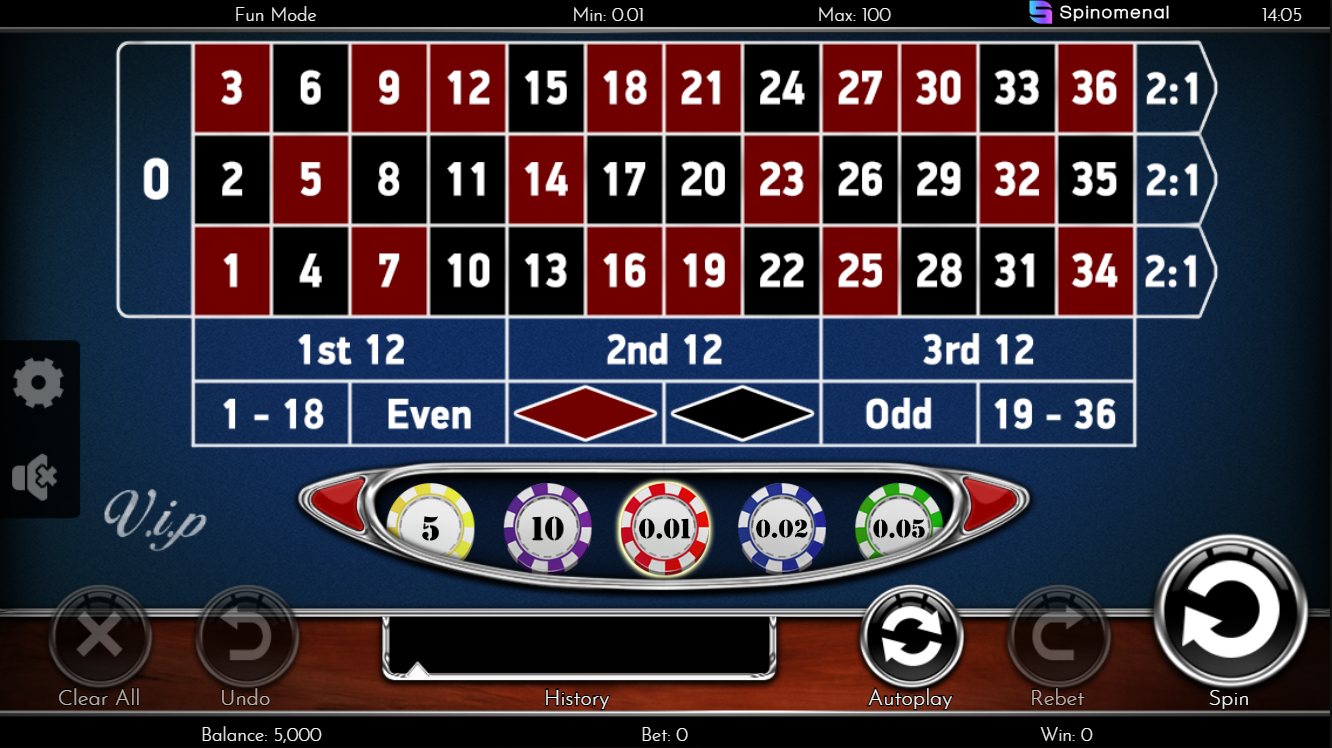
European roulette uses 37 pockets, including just one zero. With standard payouts, its house edge is approximately 2.70%, making it mathematically less expensive than the usual American version. The layout supports the familiar inside and outside bets without requiring elaborate rules. Check that the wheel really is single-zero rather than relying only on a lobby thumbnail or game name.
French Roulette
French roulette generally uses a single-zero wheel and may offer La Partage or En Prison on even-money wagers. Under La Partage, zero returns half the stake; this reduces the effective house edge on those eligible bets to approximately 1.35%. Not every French-labelled table includes these protections. Confirm their presence, eligible bets and exact operation in the displayed rules.
Live Roulette
For many online players, live-dealer roulette is the preferred way to enjoy the game. A real dealer operates a physical wheel while cameras stream the action to your device. You place chips through the digital betting layout rather than handling them yourself. Watching the spin, hearing the dealer and using table chat can make the experience more engaging than a purely software-based round.
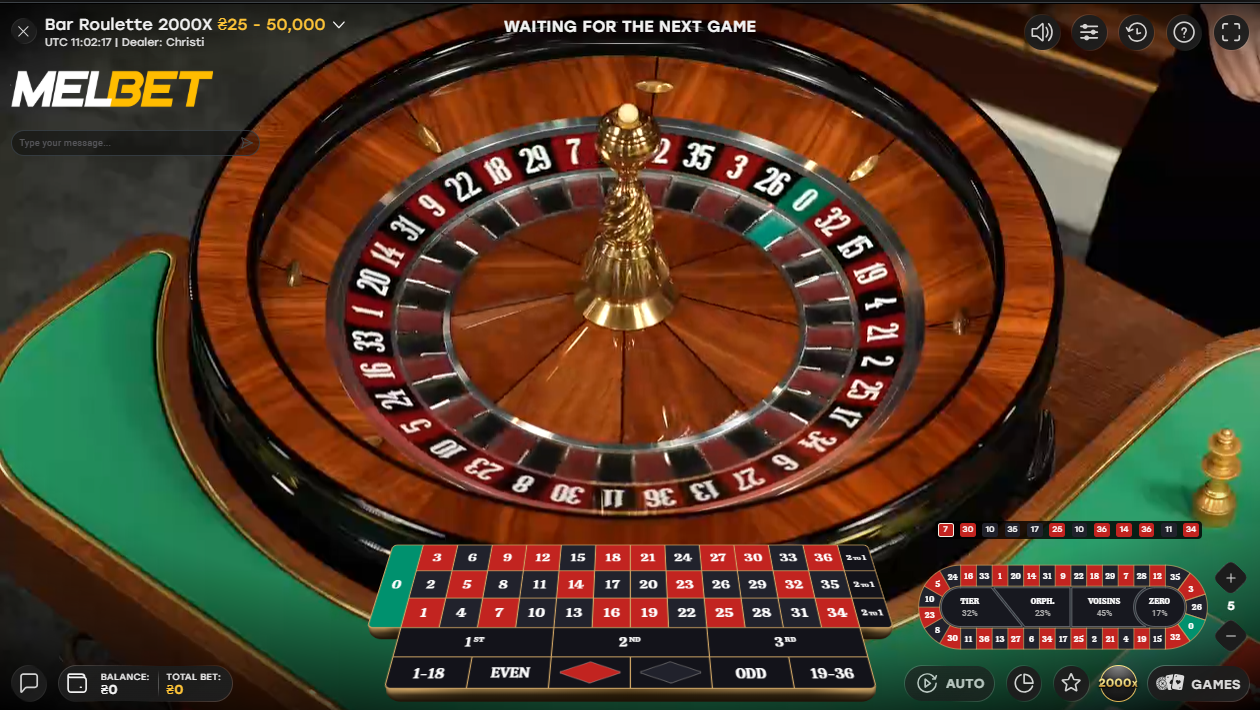
Live tables follow a shared schedule, so you must place bets before the countdown ends. Camera angles, language, studio presentation and betting limits vary. A stable connection matters, particularly on mobile. Review the operator's disconnection policy and use your betting history if the stream freezes. A live dealer adds atmosphere, not a lower house edge or control over the result.
Roulette Strategy
Fibonacci Strategy
The Fibonacci approach follows a sequence such as 1, 1, 2, 3, 5 and 8 units, commonly on even-money wagers. A typical version advances after losses and moves back two places after a win. Stakes can still grow substantially during a losing run. The sequence organises bet sizes; it does not influence independent spins or eliminate the house edge.
Martingale Strategy
Martingale doubles an even-money stake after each loss and returns to the starting amount after a win. The apparent simplicity hides rapidly expanding exposure: several consecutive losses can require a large next bet. Finite bankrolls and table maximums prevent unlimited doubling. A small eventual gain is not assured, and a single extended losing sequence can erase earlier winning sessions.
D'Alembert Strategy
D'Alembert increases the stake by one unit after a loss and decreases it by one after a win, usually without going below the starting unit. This progression grows more slowly than Martingale, but losses can still accumulate. No staking system makes red or black due. A fixed entertainment budget and clear stopping limits matter more than chasing numerical patterns.
Playing Roulette with Bitcoin
Making roulette bets with Bitcoin does not change the wheel, payouts or probability of any number appearing. What changes is the account and payment layer. Some casinos keep a BTC balance; others convert deposits into fiat currency. Check the displayed betting denomination carefully. A small fraction of Bitcoin may represent a larger amount in Canadian dollars than you initially expect.
Bitcoin's exchange rate can rise or fall while funds sit in your wallet or casino account. Set limits in both BTC and CAD, allow for network fees, and use only the network specified by the cashier. Withdrawal approval, identity checks and blockchain confirmations are separate steps. Meet your province's legal gambling age, confirm eligibility and treat play as entertainment rather than income.
FAQ
Which roulette variant has the lowest house edge?
French roulette with La Partage offers approximately 1.35% on eligible even-money bets. Check the exact table rules.
Can I try Bitcoin roulette without depositing?
Some software versions provide free demo play. Availability varies, and live tables do not always offer a free mode.
Does a roulette strategy guarantee profit?
No. Fibonacci, Martingale and D'Alembert change stake sizes, not the wheel's probabilities or the underlying house edge.
Are Bitcoin roulette withdrawals always instant?
No. Operator approval, verification, bonus restrictions and Bitcoin network confirmations can delay payment even when the casino advertises fast withdrawals.